ADAS Explained: The Safety Systems Hiding Behind Your Windshield

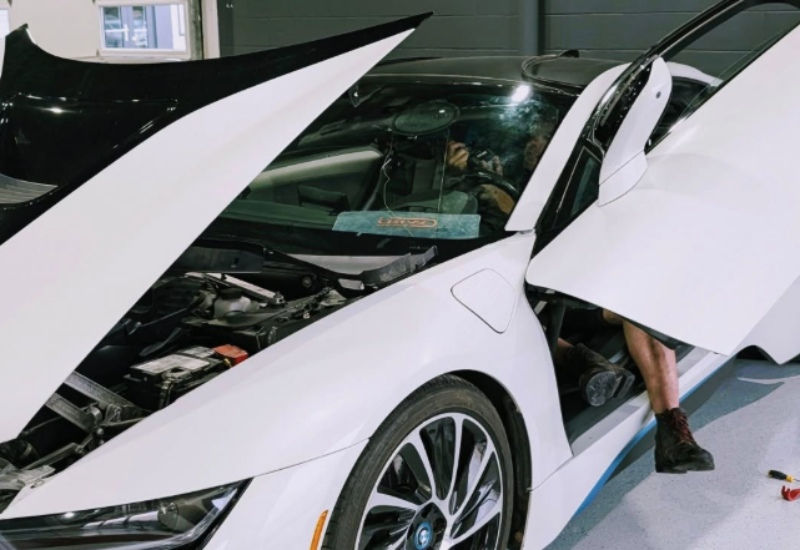
ADAS, or Advanced Driver Assistance Systems, refers to vehicle technology that helps a driver detect hazards, stay positioned on the road, or respond to certain driving situations. Some of the most important ADAS cameras are mounted behind the windshield, so windshield replacement and camera alignment can be closely connected.
KEY TAKEAWAYS
ADAS is a broad set of driver-assistance features, not a single sensor or a level of vehicle automation.
A vehicle may use a windshield-mounted camera along with radar, ultrasonic sensors, and other cameras mounted elsewhere on the vehicle.
Features such as lane departure warning, lane keeping assistance, automatic emergency braking, and adaptive cruise control may rely on ADAS sensors, though the exact hardware varies by vehicle.
Replacing a windshield can alter the position or view of a forward-facing camera, which is why vehicle-specific recalibration requirements are necessary after glass work.
Forest City Auto Glass includes ADAS recalibration as a standard step during windshield replacement and explains the required process for the specific vehicle.
What ADAS Actually Stands For
ADAS stands for Advanced Driver Assistance Systems. It is an umbrella term for technologies that assist you with parts of the driving task by warning you of a risk, helping you maintain position or distance, or intervening briefly when a collision risk is detected.
The key word is assistance. ADAS is designed to support a driver, not replace one. Transport Canada describes driver-assistance technologies, including lane departure warning, lane-keeping assistance, automatic emergency braking, blind-spot warning, and adaptive cruise control, as systems that can warn, assist, or intervene in specific situations. The driver still needs to understand what the vehicle can and cannot do.
ADAS is not a single box hidden behind the mirror. A vehicle can integrate cameras, radar, ultrasonic sensors, steering-angle information, wheel-speed data, and control modules. Different makes, models, trims, and option packages use different combinations, which is why two vehicles that look nearly identical may not have the same driver-assistance equipment.
For an auto glass appointment, that variation matters. The technician needs the correct vehicle information before ordering the windshield and planning the calibration. Forest City Auto Glass asks for the year, make, model, and VIN so the replacement can be matched to the vehicle.
Where the Cameras and Sensors Live
ADAS cameras and sensors can be located in several places around the vehicle, including the windshield and other areas, depending on the vehicle’s design and technology. A common forward-facing camera position is high on the inside of the windshield, near the rear-view mirror, where it can monitor lane markings, vehicles, signs, and other objects ahead.
Other sensors may be located in the grille, bumpers, side mirrors, or around the body. Radar can measure distance and closing speed, while ultrasonic sensors are often used for close-range parking detection. Cameras can provide visual information from the front, sides, or rear. The exact layout is determined by the vehicle manufacturer.
That means a camera housing near the mirror is a useful clue that your windshield is part of the ADAS setup, but it is not the whole story. A vehicle can have driver-assistance features even if not all sensors are visible from the driver's seat, and the shape of a plastic cover does not tell you exactly which features are installed.
If you are unsure what equipment your vehicle has, consult the owner’s manual and provide the VIN when booking. The Forest City Auto Glass Mobile Recalibration page also provides a starting point for understanding camera recalibration before service.
Which Common Features Depend on ADAS
Common features that depend on ADAS include warning systems, steering assistance, braking assistance, and distance-control features. Not every feature uses the windshield camera, and some systems combine camera data with radar or other sensors, so the exact dependency must be verified for the specific vehicle.
Lane departure warning monitors lane markings and alerts you if the vehicle drifts out of its lane without an intended lane change.
Lane-keeping assistance can apply corrective steering or braking to help the vehicle remain in its lane.
Automatic emergency braking can detect a potential collision ahead and apply the brakes to help prevent or reduce the severity of an impact.
Adaptive cruise control can adjust speed to maintain a preset following distance from the traffic ahead.
Traffic-sign, pedestrian, parking, blind-spot, and surround-view functions may use additional cameras or sensors depending on the vehicle.
A windshield-mounted camera is especially relevant for features that require a clear forward view. Its view can be affected by dirt, ice, severe weather, a damaged windshield, an incorrect camera position, or incomplete calibration. That is one reason it is useful to treat the windshield as part of a larger safety system rather than as an isolated piece of glass.
Transport Canada provides plain-language descriptions of many driver-assistance features and emphasizes that system names and capabilities vary. Your owner’s manual remains the best source for what your vehicle is equipped to do.
Why a New Windshield Can Throw It Off
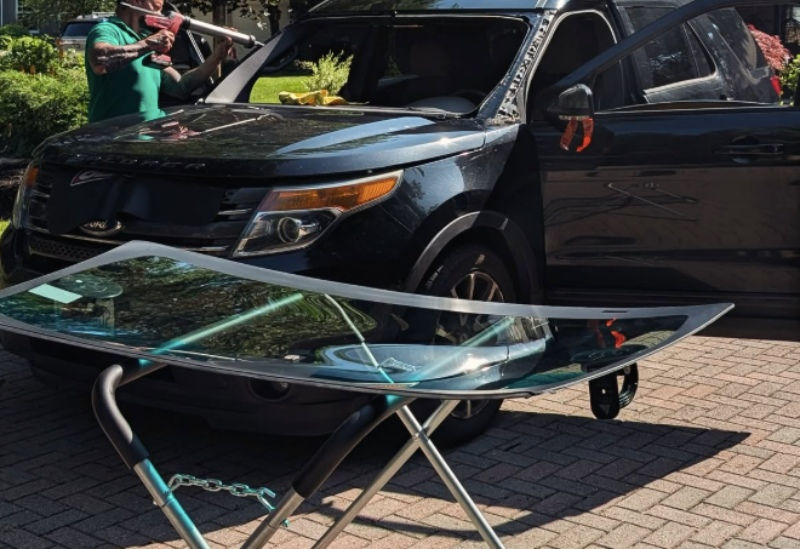
A new windshield can throw ADAS off because a forward-facing camera depends on a precise relationship among the camera, its mounting point, the glass, and the road ahead. Removing the old windshield and installing a new one can alter that relationship enough that the vehicle manufacturer requires a calibration or aiming procedure.
The change does not have to be visible to you. A camera can still look straight through the glass even if its angle or position is outside specification. The replacement windshield also has to be the correct configuration, including the correct camera area and mounting hardware.
This is why calibration should be based on the manufacturer's procedure for the exact year, make, model, trim, and installed equipment. Some vehicles use a static procedure with special targets and measured distances. Others use a dynamic procedure that requires driving on a well-marked, multi-lane road in clear weather conditions. Some vehicles may require both. The procedure is not interchangeable across all makes and models.
Forest City Auto Glass includes ADAS recalibration as a standard part of its windshield replacement process. Our windshield replacement page is the best place to review the service before booking. The brand also uses OEM-equivalent glass, meaning glass manufactured to match original specifications while remaining distinct from genuine OEM glass supplied under the vehicle manufacturer’s brand.
The practical question is not whether every windshield replacement causes an obvious ADAS problem. It is whether the vehicle’s required post-replacement procedure has been completed and documented. If your vehicle has a windshield-mounted driver-assistance camera, ask how the shop determines the correct procedure and how completion is confirmed.
What Recalibration Restores
Recalibration restores the camera or sensor setup to the vehicle manufacturer’s specified reference after any work that can affect alignment. In plain terms, the technician helps the system understand where “straight ahead,” lane position, and other reference points should be for that vehicle.
Recalibration does not upgrade the vehicle or enable features it did not have before. It also does not override damaged sensors, wiring faults, blocked camera views, incorrect tires, suspension problems, or other conditions that can affect driver-assistance performance. If a system has a separate fault, that fault may require diagnosis in addition to calibration.
A completed calibration matters because ADAS features depend on reliable inputs. If the camera’s reference is incorrect, warning lights will pop up on the dashboard.
At Forest City Auto Glass, recalibration is treated as part of the windshield replacement workflow rather than an optional upsell. That aligns with the company’s safety-first approach: replace the glass, complete the vehicle-specific calibration step, and explain it in straightforward terms. The mobile-first model is built around delivering suitable service to the driver.
If you want to understand the process before an appointment, the company’s FAQ page is another useful resource for common questions about replacement, calibration, and service. For your vehicle, the final answer should always be based on its exact equipment and the manufacturer's procedure.
FREQUENTLY ASKED QUESTIONS
Does every car built after 2016 have ADAS?
No. Vehicle age alone does not confirm which ADAS features are installed. Equipment varies by manufacturer, model, trim, option package, and market, so two vehicles from the same model year can have different cameras and sensors. Check the owner’s manual, vehicle equipment list, or VIN-based information rather than assuming every post-2016 vehicle has the same driver-assistance technology.
Can I tell if my car has ADAS just by looking at the windshield?
Sometimes you can spot a forward-facing camera housing near the rear-view mirror, but appearance alone is not enough to identify the full ADAS setup. The safest way to confirm the equipment is to consult the owner’s manual and provide the VIN when the glass shop identifies the correct windshield and calibration procedure.
What warning signs suggest ADAS is misaligned?
Possible warning signs include a driver-assistance warning light, a calibration message, inconsistent lane alerts, features that become unavailable, or unusual behaviour from camera-based assistance. These signs can have several causes, not only misalignment. A vehicle may also require calibration without showing an obvious dashboard warning, so post-replacement decisions should follow the manufacturer’s service requirements rather than a quick road test.
Is ADAS the same thing as self-driving technology?
No. ADAS is driver-assistance technology, not a synonym for a self-driving vehicle. Some systems can warn, brake, steer, or control speed in limited situations, but the driver remains responsible for monitoring the road and using the technology within its stated limits. Transport Canada also distinguishes driver-assistance features from higher levels of driving automation, helping avoid overstating what the vehicle can do.
CONCLUSION
ADAS makes modern windshield work more technical because the glass can sit directly in front of a driver-assistance camera. The right approach is vehicle-specific: identify the equipment, install the correct glass, and complete the required recalibration. Forest City Auto Glass keeps that safety step within the replacement process, offering mobile convenience and straightforward explanations from a family-run London-area team.
Book your windshield service and confirm your vehicle’s ADAS requirements before the appointment.

Comments